When an outbreak happens, every hour matters. Health workers need to detect it quickly, verify it, investigate it, and respond—all without losing time to paperwork or systems that do not communicate with each other.
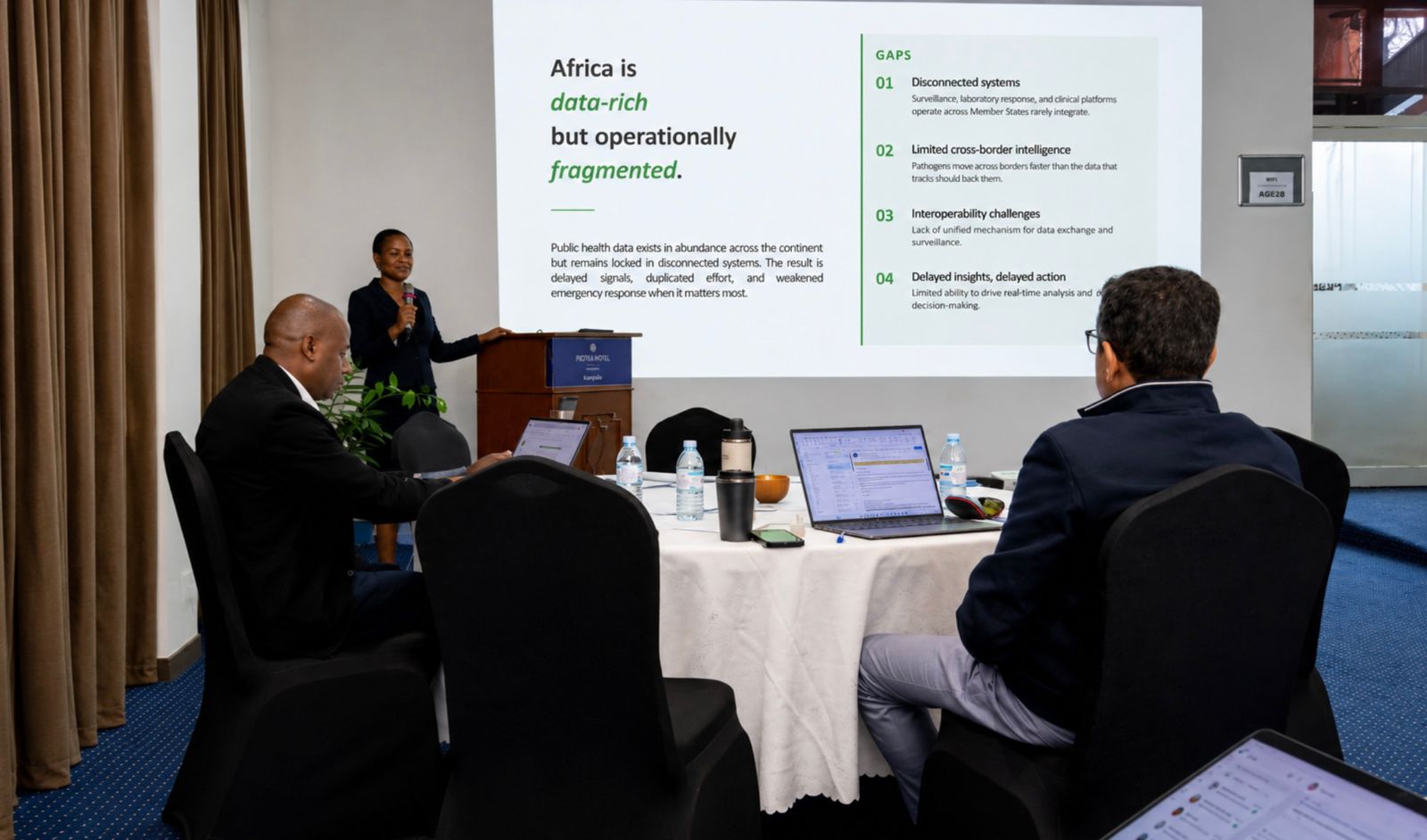
Uganda already has strong foundations for this. Over the years, the country has developed a wide range of digital tools to support disease surveillance and emergency response, including eIDSR, mTrac, eRegisters, Alert MIS, Go.Data, and several others. Each plays an important role. But because these tools were rolled out at different times by different programmes, some overlap in what they do, while gaps remain in how well they connect to one another. The result can be repeated data entry, inconsistent information, and slower coordination during emergencies.
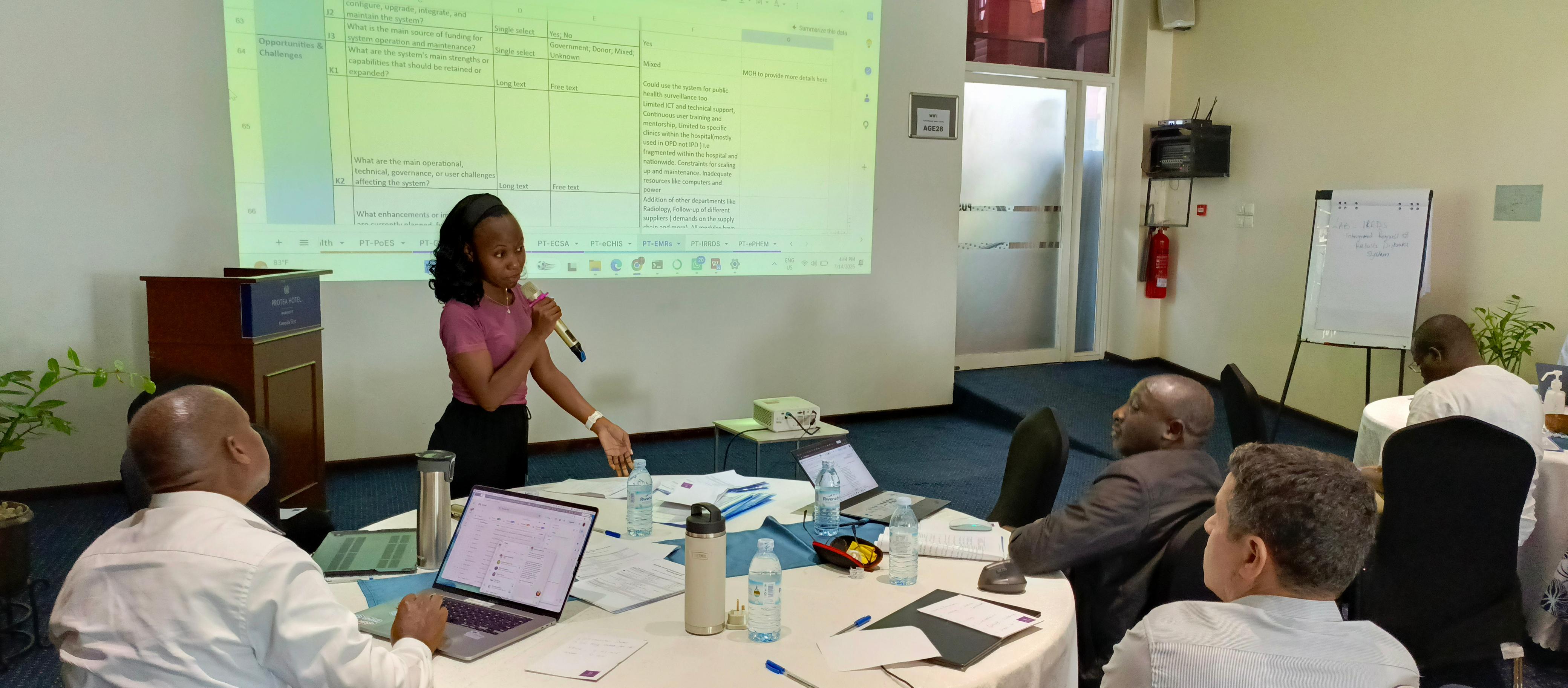
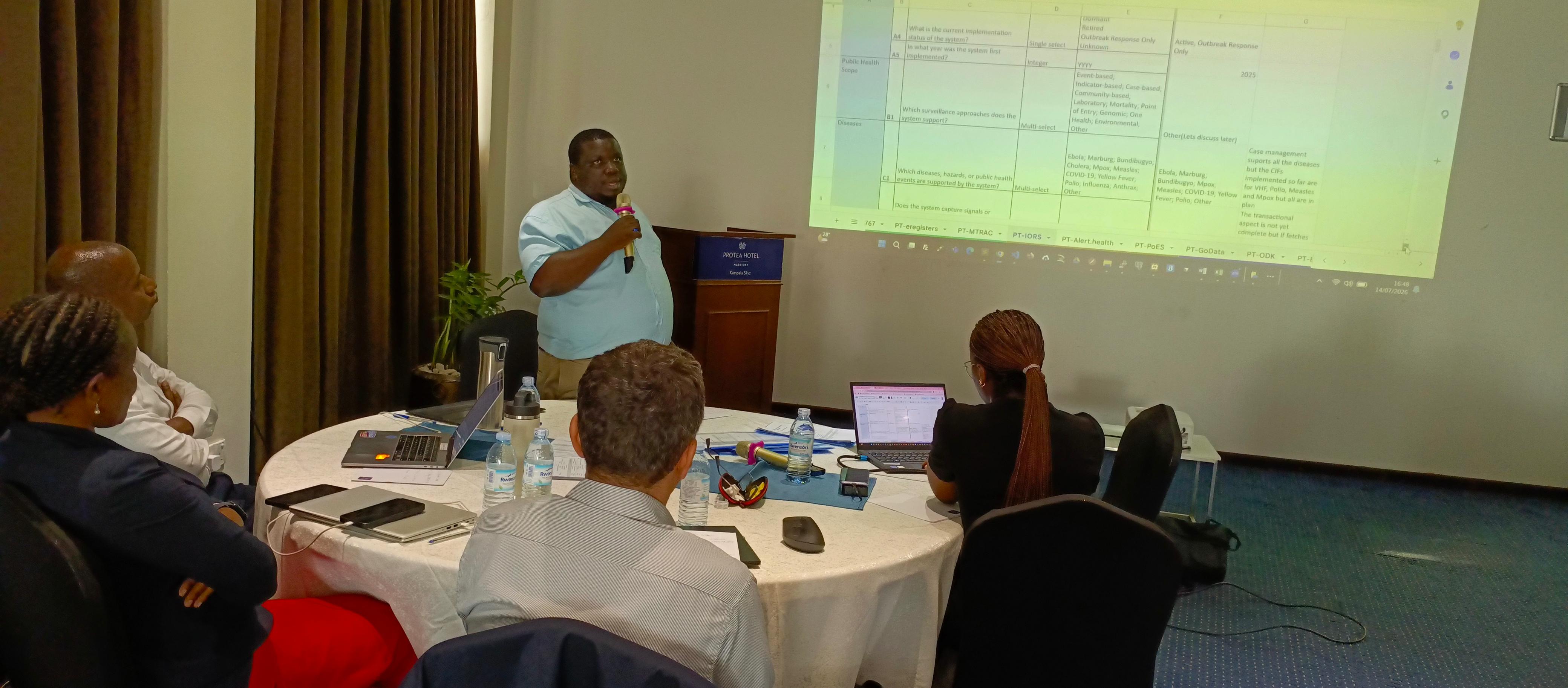
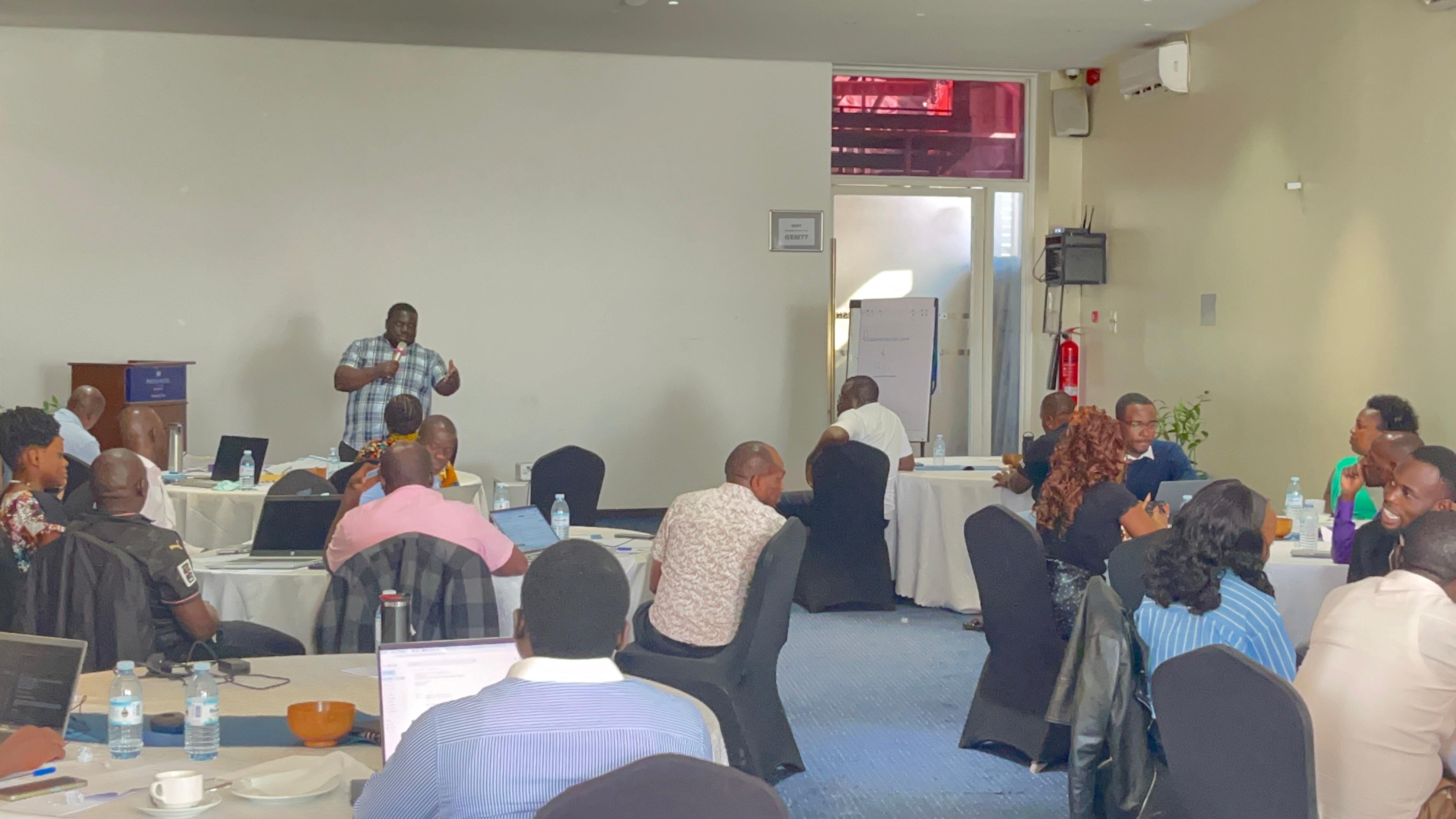
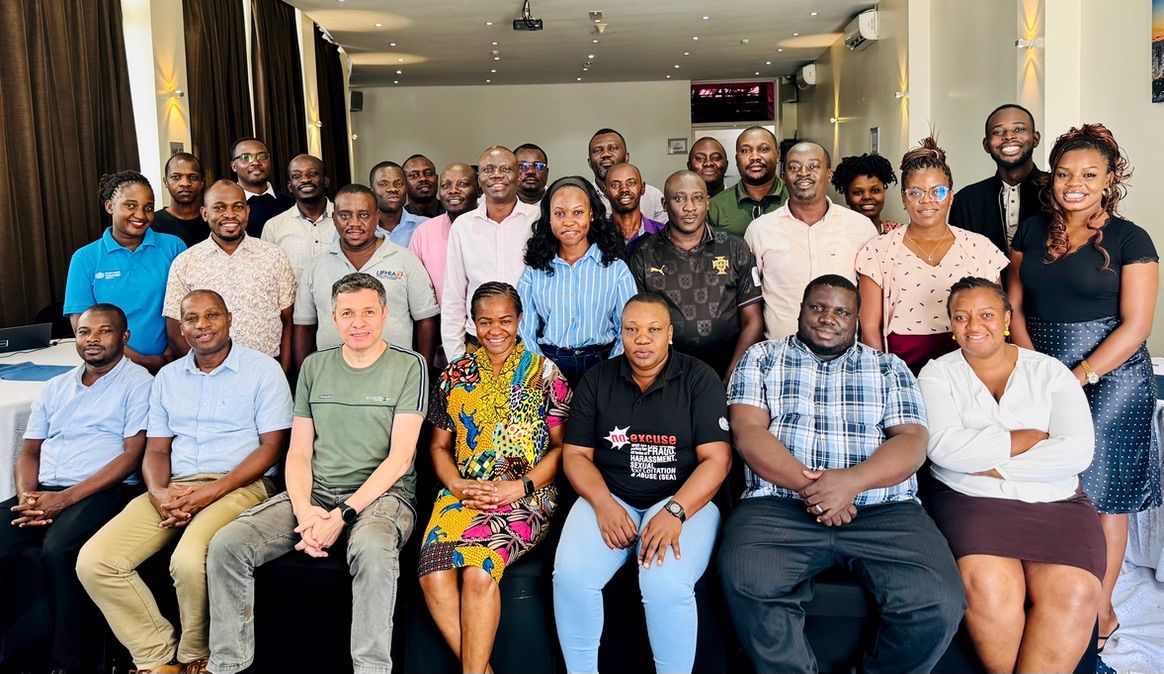
To address this, the Ministry of Health's Department of Health Information, working with Africa CDC and HISP Uganda, convened a three-day workshop in Kampala from 14 to 16 July 2026. The workshop brought together a wide range of stakeholders—Ministry teams, surveillance and laboratory programmes, emergency response structures, and partners such as WHO, US CDC Uganda, AFENET, KCCA, and Baylor Uganda—to jointly assess the country's surveillance systems against the new Africa CDC Surveillance and Emergency Response Toolkit.
What the workshop achieved
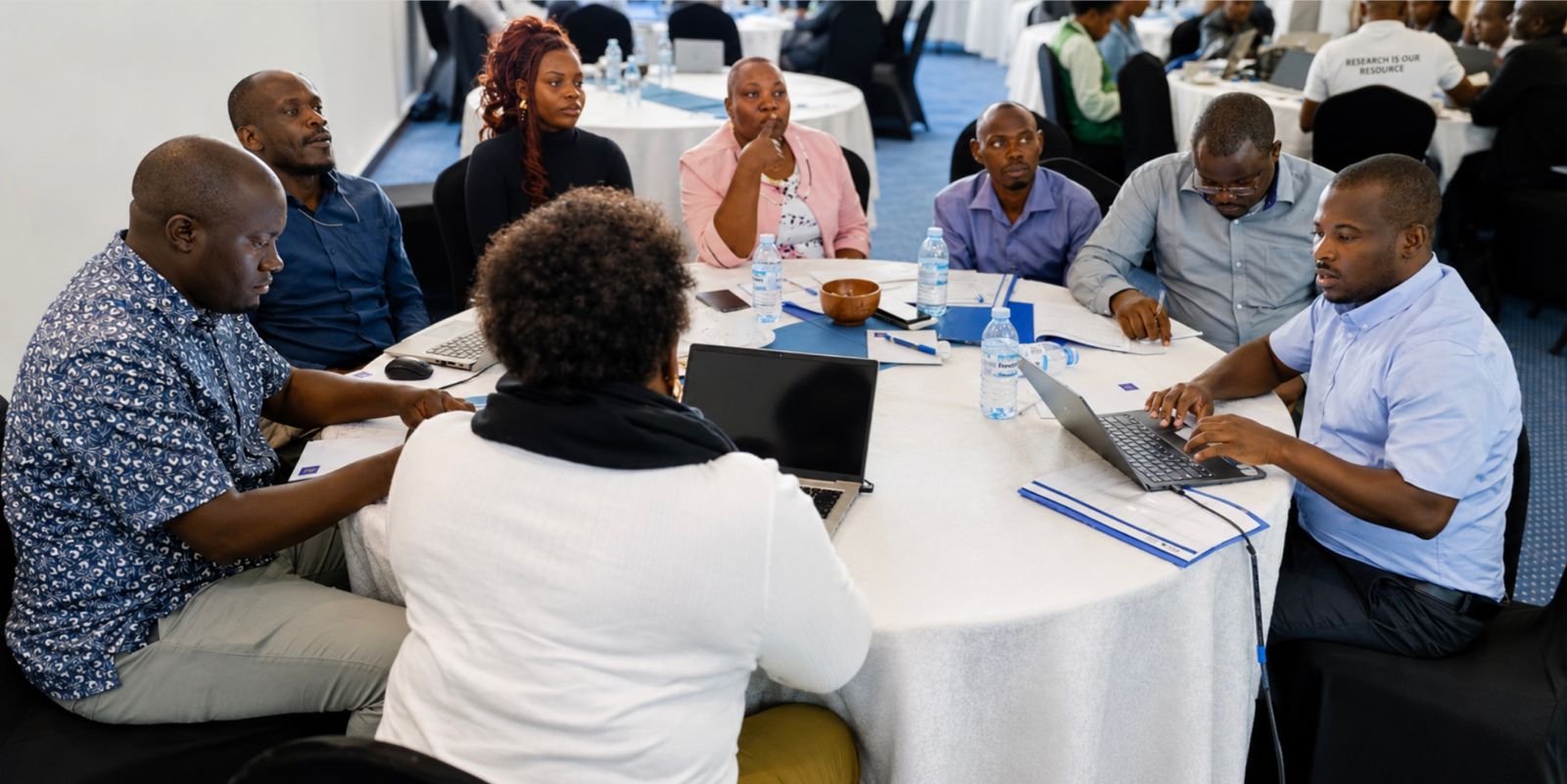
Over three days, participants:
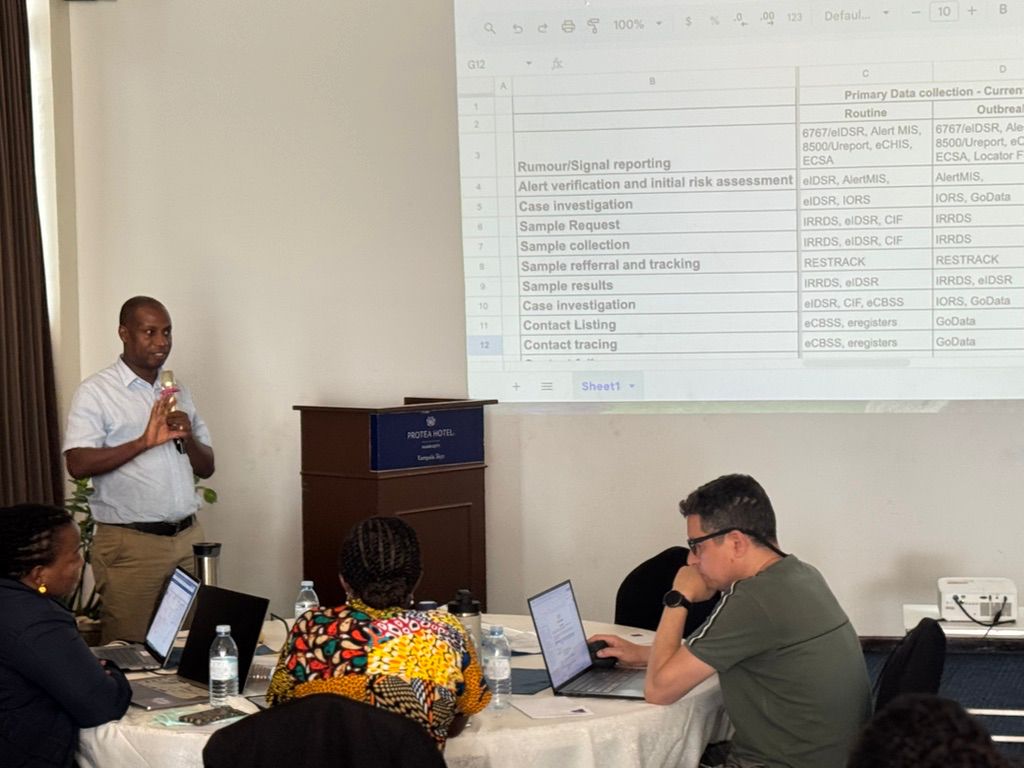
- Mapped and profiled the major systems currently used for surveillance and outbreak response
- Carried out a gap analysis across nine key areas, including governance, data standards, interoperability, cybersecurity, and sustainable financing
- Agreed on which systems should serve as the primary tool for specific functions such as case investigation, sample tracking, and contact tracing—and how other systems should integrate around them
What's next
The Ministry of Health, supported by HISP Uganda and partners, will now translate these discussions into a practical, costed implementation plan. This plan will outline priority actions, responsible institutions, required resources, and timelines for adopting and integrating the toolkit before going to senior Ministry leadership for review and approval.
This work marks an important step toward a more efficient, interoperable surveillance system for Uganda—one designed to support faster, better-coordinated responses to public health threats.
Workshop highlights